



Continuous Glucose Monitoring (CGM) Sensor System GX-01S
The Continuous Glucose Monitoring Sensor System (CGM) provides real-time glucose monitoring. It is indicated for the management of diabetes in adult patients (18 years and older).
In the process of planning treatment tactics, the glucometer is replaced with a finger prick pen.
The data provided by the system is interpreted based on the dynamics of glucose and sequential indicators obtained over time. The system detects episodes of hyperglycemia and hypoglycemia through trend tracking and pattern control, which allows for the optimization of short- and long-term therapy.
Description
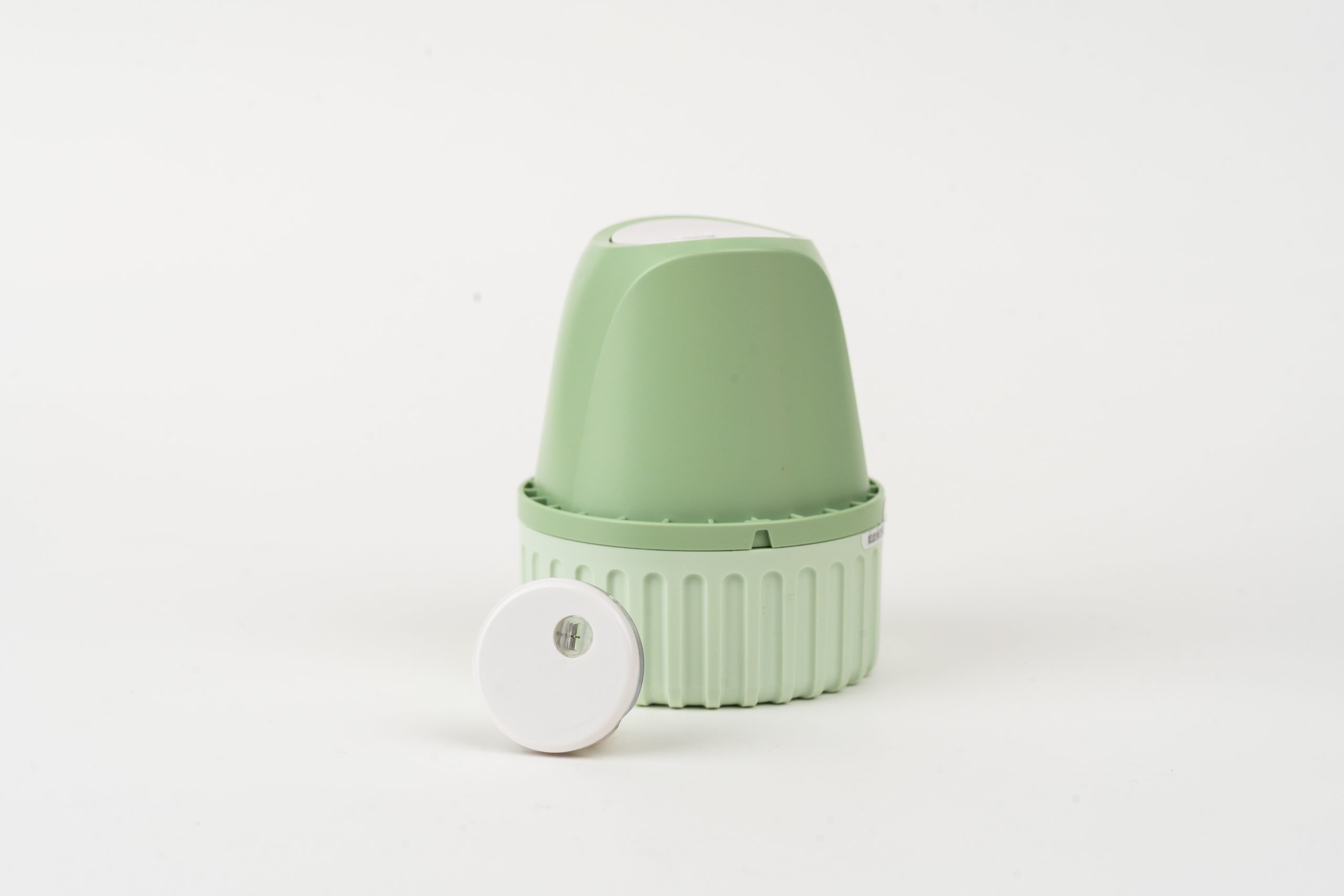
The sensor is placed in a sensor applicator. It has a small, flexible tip that is inserted under the skin. The sensor can be worn for up to 15 days.
Step: 1 Select the area to place the sensor, the upper back of the arm.
Step: 2 Before placement, the skin must be treated with alcohol and allowed to dry completely.
Step: 3 Remove the protective cap from the sensor applicator and set aside.
Step: 4 Apply the applicator with the open end firmly to the pre-selected skin area. Activate the applicator implantation button. After hearing the spring mechanism click, wait a few seconds to ensure adhesion of the sensor to the skin and automatic retraction of the injection needle into the applicator.
Step: 5 Carefully remove the applicator from the skin surface. The sensor should remain firmly attached to the skin.
Step: 6 After placing the sensor, visually assess the reliability of fixation. Replace the protective cap on the applicator.
– Before using the product, it is necessary to read the instructions or undergo appropriate training under the guidance of a professional.
– To confirm hypoglycemia detected by the glucose sensor, it is necessary to analyze a blood sample taken from the finger using a glucometer.
– Severe dehydration or excessive loss of body water may cause inaccurate results. If you experience signs of dehydration, seek medical attention immediately.
– If the data displayed by the GUM sensor is inaccurate or does not correspond to the patient’s symptoms, use a glucometer to determine the blood glucose level, or calibrate the glucose sensor. If the problem persists, the sensor should be removed and replaced with a new one.
– GMS data is used only as supporting information for diabetes monitoring. GMS data should not be relied upon solely for clinical diagnosis.
– The LinX Gum system has been tested on patients with type 1 and type 2 diabetes, although women with gestational diabetes were not included in the studies.
Recently viewed